
In 2026, sustainability is taking central stage in fashion. This year, you can see a big turning point when it comes to bio-based and eco-innovative textiles. Next-generation materials are now being used for the production of eco-friendly clothing items. These are going beyond traditional organic cotton and recycled synthetics.
With rise in demand for eco-conscious fashion, brand owners are understanding how important it is to use next generation materials to satisfy consumer expectations. You can see these types of materials representing major change in the future of regenerative clothing industry. Find out how organic clothes manufacturers are ushering in big shifts, making the industry change in 2026.
At one time, seaweed was restricted to only oceans and superfoods. Today, it has turned into a major textile ingredient. This can be especially seen in the form of Seacell. It is a bio-fiber that blends sustainably harvested seaweed with natural cellulose. You can get soft, breathable and antibacterial fabrics as a result.
Today, manufacturers are using Seacell for activewear, loungewear and much more. This is quite natural, particularly for the fact that this fiber can nourish skin gently and regulate moisture. Other than allowing consumers to stay true to their eco-conscious values it also helps them to protect their skin. It shows that sustainability and comfort can exist side-by-side.
This year, you can see another big change in the use of mushroom-derived textiles, often referred to as mycelium leather. This is an ethical alternative to animal hides and petroleum-based faux leather. Lightweight, durable and biodegradable, this sustainable leather alternative is allowing manufacturers to maintain quality while cut down on wastage at the same time.
More and more private label organic clothing manufacturers are using mushroom leather in the production of jackets, bags and footwear. These have the same aesthetic appeal as traditional leather, minus the harmful effects on the environment. In the prevailing age of reduced preference for fast fashion items, which generally use few or no ethical practices in production, it is easy to see how private label organic clothing items made of such fabrics are winning the hearts of consumers.
At one time, algae were associated with ocean ecosystems and health supplements. Today, it has become a powerful source for performance textiles. In 2026, algae-derived fibers are well-known for their light weight, strength, UV protection and biodegradability.
A number of brands are also adopting closed-loop systems. These are turning textile waste back into algae feedstock. Due to this circular approach, emissions are reduced now. It helps in environmental regeneration in a major way. Manufacturers are sparing no efforts to conserve environmental resources and make sure that their production methods are in line with consumer demands as well as planetary conservation guidelines.
It is easy to see the broader shift in fashion. You will love to source organic clothes in these advanced fabrics and prove to your retail or private label store consumers that the future of fashion is not just organic, but also regenerative.
In 2026, sustainability is taking central stage in fashion. This year,.

Sustainable fashion is a defining movement now, no longer a niche conc.

In 2026, the global fashion industry is going through a powerful trans.
The world seems to be growing weary of fast fashion. It is natural, co.

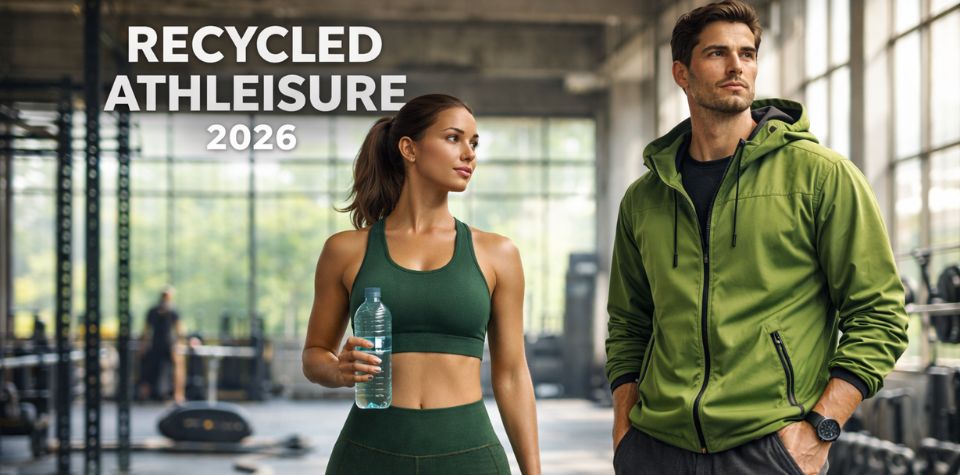
Look around and you can see casual gymwear now becoming a staple in ev.