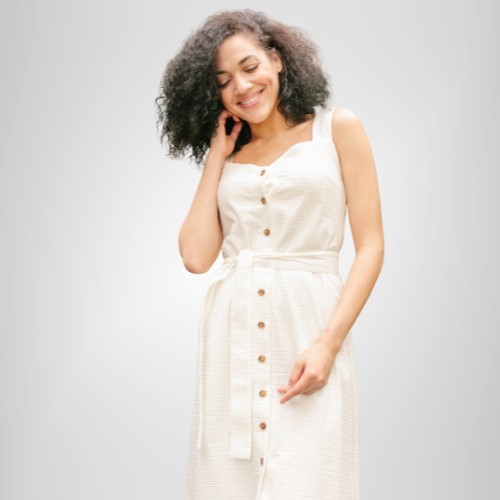
In a world where fast fashion reigns supreme, where fads come and go at breakneck speed, and where affordable clothes are just a click away, slow fashion is quietly and powerfully—reshaping the future of the fashion industry. This concept promotes purposeful, conscious consumption, sustainability, and craftsmanship, which contrasts sharply with the industry’s throwaway mentality.
While slow fashion is a wide concept, one of its most intriguing and promising aspects is recycled clothing. In an industry that generates billions of tons of garbage each year, recycling is increasingly becoming an essential component of how we approach fashion.
But what precisely does recycled clothing have to do with the slow fashion movement, and how does it affect the game? Let’s take a closer look at how recycled clothes are fueling the slow fashion movement, and why it might be the industry’s hidden hero.
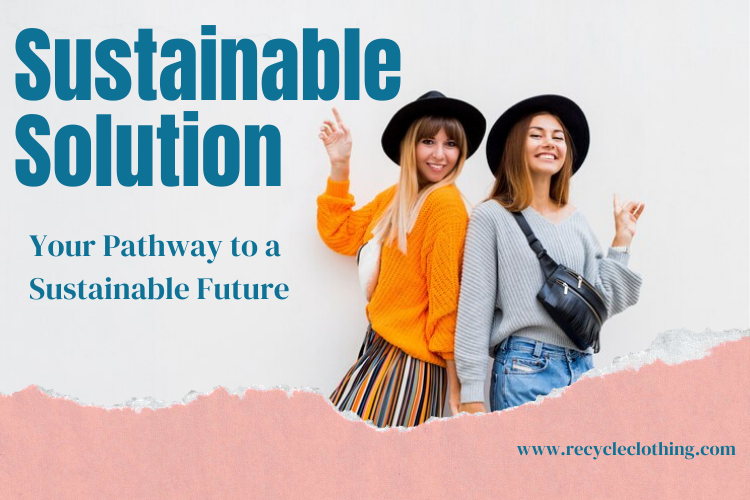
Before we look at how recycled clothes fit into slow fashion, let’s define both terms. Slow fashion is a reaction against fast fashion’s inefficient, high-turnover approach, which emphasizes low-cost manufacture and rapid consumption.
It prioritizes quality over quantity, sustainability over trends, and ethical treatment of employees and the environment. Slow fashion firms prioritize utilizing ecologically friendly materials, implementing transparent supply chains, and ensuring that their items are made to survive beyond a single season.
In a nutshell, slow fashion is about taking the time to make meaningful, educated clothing choices that take into account the environmental and societal effects of what we wear.
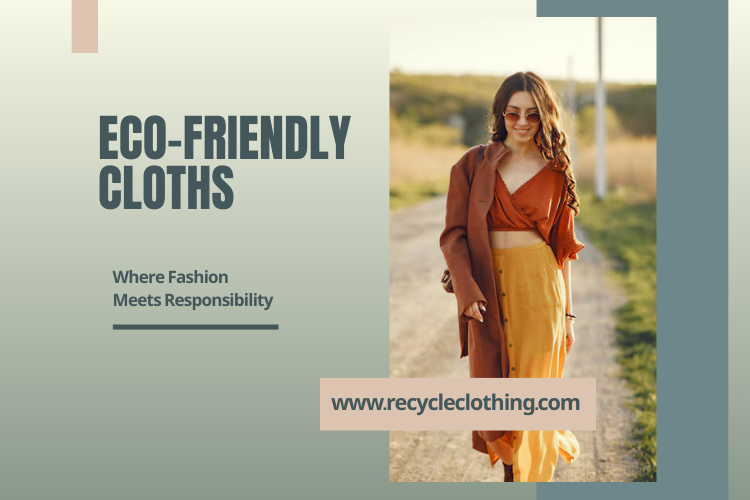
Recycled clothing is manufactured from reused resources, including old fabrics, plastic bottles, and even abandoned outfits as well as from bamboo. These materials are recycled and converted into new fibers that may be spun into textiles, embroidered into new patterns, and eventually reintroduced into the fashion industry.
Recycling in fashion reduces waste, lowers demand for virgin materials, and reduces the environmental impact of traditional textile manufacturing. While recycled materials are frequently linked with eco-friendly manufactures their use is becoming increasingly widespread, demonstrating that recycled clothing plays an important part in the greater slow fashion movement.
So, how does it contribute to the shift?
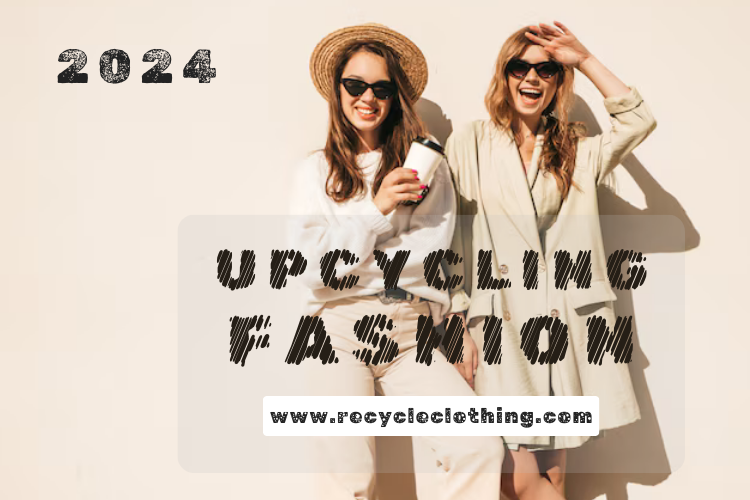
Recycled clothes also help to modify our perceptions of beauty and value in fashion. Upcycling, a fundamental component of the recycled clothes movement, is all about repurposing something old or abandoned into something fresh and useful.
Upcycling challenges established conceptions of what constitutes high fashion while demonstrating that beauty may be found in the unexpected. Some manufacturers have adopted upcycling and recycled textiles as part of their concept, transforming old clothing and waste materials into new, high-quality items.
These businesses demonstrate that sustainability does not have to mean sacrificing style; it can also imply innovation, creativity, and workmanship.
The slow fashion trend is about more than just the garments; it’s about creating a stronger bond between customers and the things they buy. Organic clothing manufacturers promotes this trend by encouraging customers to think more critically about where their clothes originate from, how they’re created, and what happens to them after they’re no longer needed.
When we buy recycled clothing, we join a more conscientious consumer culture that prioritizes sustainability and longevity above disposable fashion. Slow fashion is built on this attitude change, which defies the established standards of immediate satisfaction and throwaway purchasing.
Slow fashion is more than just buying fewer clothes; it is about developing a system in which things are meant to be reused, repurposed, and recycled indefinitely also known as a circular economy. In this concept, clothing is recycled back into new items rather than ending up in a landfill after a few years of usage, resulting in a waste-free cycle of consumption and reuse.
The incorporation of recycled clothing into slow fashion is still in its early stages, but the opportunities are huge. As technology advances, we should expect progressively more effective ways to recycle fabrics and reuse materials, thereby lowering the demand for virgin resources.
With rising customer demand for sustainable, ethical alternatives, recycled apparel will play an increasingly important role in the fashion business. By adopting recycled clothes, customers, companies, and designers can contribute to a future in which fashion is about intelligent choices, environmental responsibility, and creative reinvention rather than quick, disposable trends. For business owners and manufacturers, incorporating recycled clothing into the product lineup isn’t just sustainable it essential for future growth. By embracing recycled materials, one can align with customer demand for eco-friendly cloths to reduce environmental footprint, and set the brand apart as a leader in responsible fashion innovation.
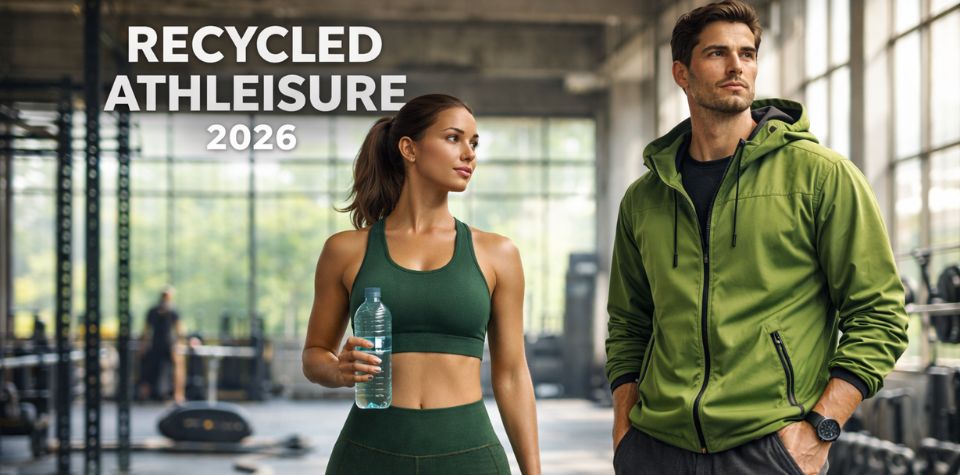
The world seems to be growing weary of fast fashion. It is natural, co.

Look around and you can see casual gymwear now becoming a staple in ev.
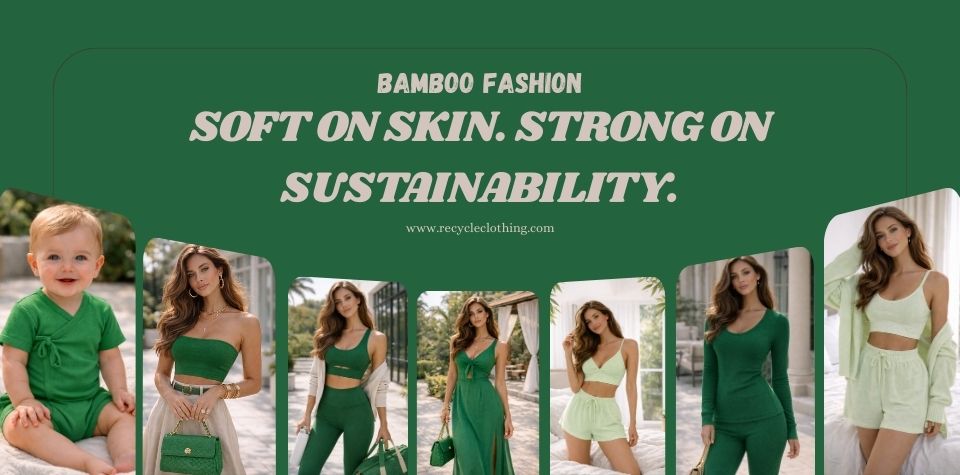
You might have observed a great demand for sustainable, eco-friendly m.

Sustainability is very big in the fashion industry. As you can see, re.
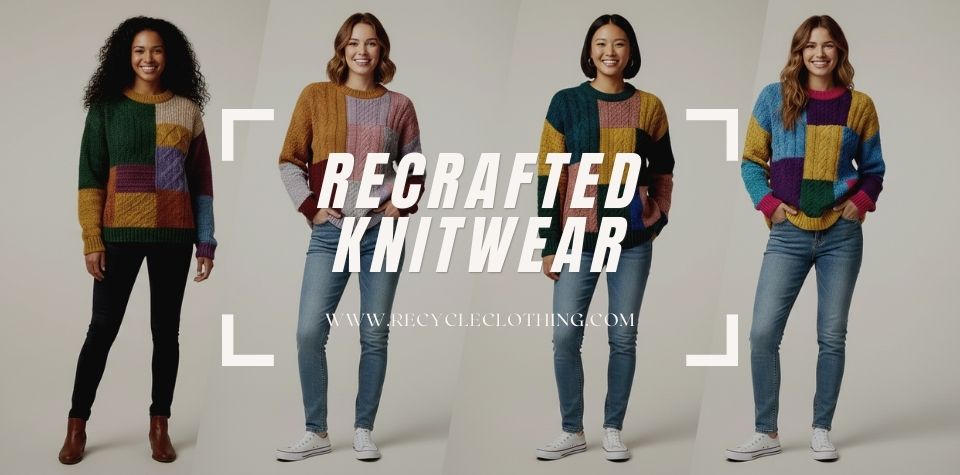
Cozy knitwear trends come up during every Fall. Whether it comes to ov.