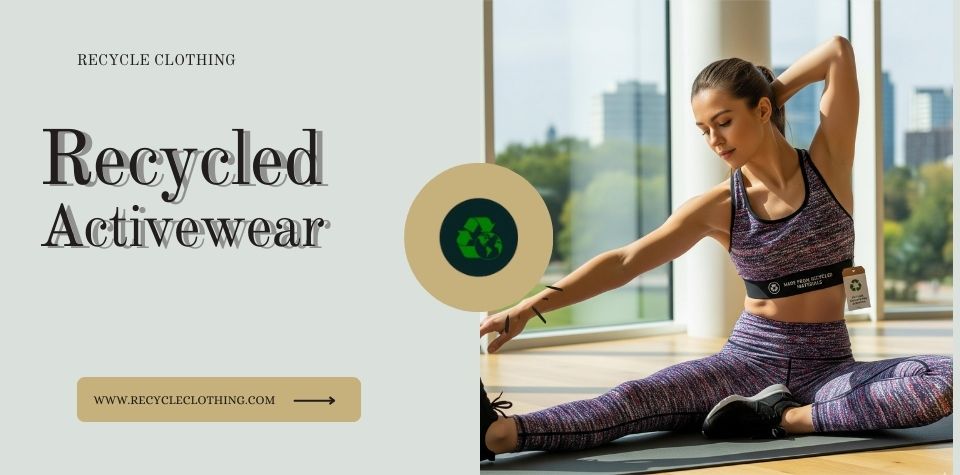
The world of fashion is being redefined by sustainability, and activewear is at the center of this ecological upheaval. Today’s buyers, especially Millennials and Gen Z, seek items that reflect their ideals without sacrificing efficiency or elegance. This change has led to a previously unheard-of demand for recycled sportswear, or apparel made from cutting-edge, eco-friendly textiles and post-consumer trash.
This is more than an ongoing phenomenon for retailers; it is a tremendous chance. Sourcing recycled activewear could assist businesses in attracting mindful shoppers, building brand reputation, and increasing profit. Let’s look at why this genre is booming and how to put together the best collection.
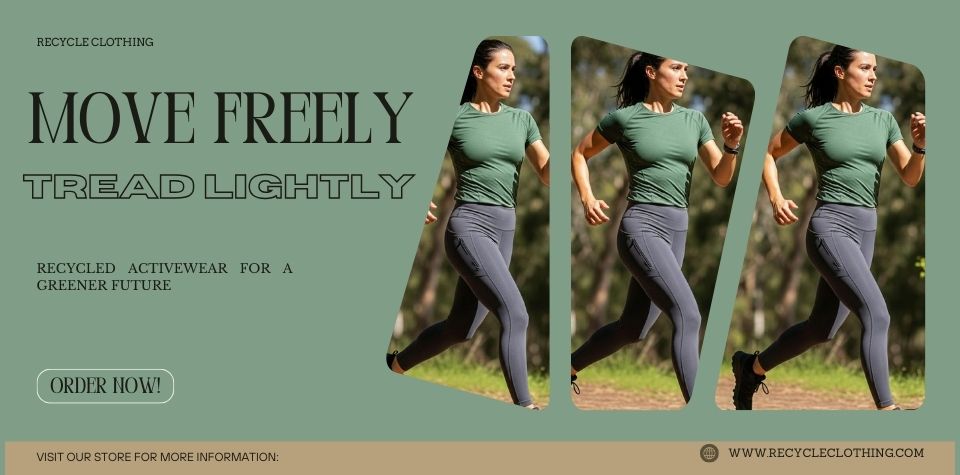
People today are knowledgeable and socially conscious. They are aware of conventional fashion’s environmental impact and choose more sustainable options. Accountability, ethical procurement, and green practices are especially important to millennials and Generation Z. Activewear is about more than simply looking nice at the gym; it’s also about feeling positive about what they pick.
The days of compromising quality for sustainable fashion are long gone. Textile technological advancements have transformed recycled textiles into extremely practical materials. Moisture-wicking leggings, breathable performance tops, and long-lasting sports bras constructed of recycled polyester (rPET) or nylon may now compete with or surpass standard fabrics. Fitness aficionados can squat, stretch, and sprint without restriction.
Customers purchase narratives as well as products. A robust sustainability description adds appeal and depth to your offerings. When labels convey their dedication to facilitating plastic waste or emphasize their eco-certifications, it reverberates profoundly with customers looking to make accountable choices.
You must comprehend the textiles influencing this trend to stock efficiently:
Highlight these textiles in your product descriptions to attract eco-conscious customers who want to know what they’re wearing.
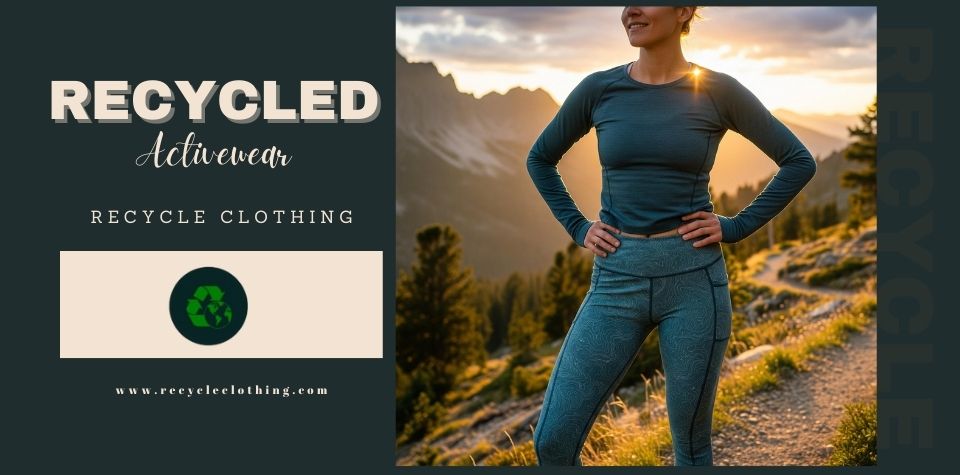
Provide a comprehensive selection, including high-waisted leggings, crop tops, supportive sports bras, windbreakers, and even eco-friendly gym bags. Include universal athleisure pieces that go from workouts to simple outings.
Customers seek eco-friendly products that are also fashionable. Stock up on popular hues, including earthy neutrals, vivid neons, and pastels. For optimal appeal, include striking patterns and inclusive sizes.
Credentials reassure buyers about genuineness. Feature these in marketing materials and product descriptions for added credibility.
Analyze data to find high performers, such as matching sets or athleisure staples, and keep them in inventory. High-waist leggings, supportive bras, and lightweight coats are popular choices.
Sustainability sells when buyers apprehend its influence. Use website banners, social posts, or signage to share facts: One recycled legging saves X plastic bottles from landfills. Such facts build commitment and emotional connection.
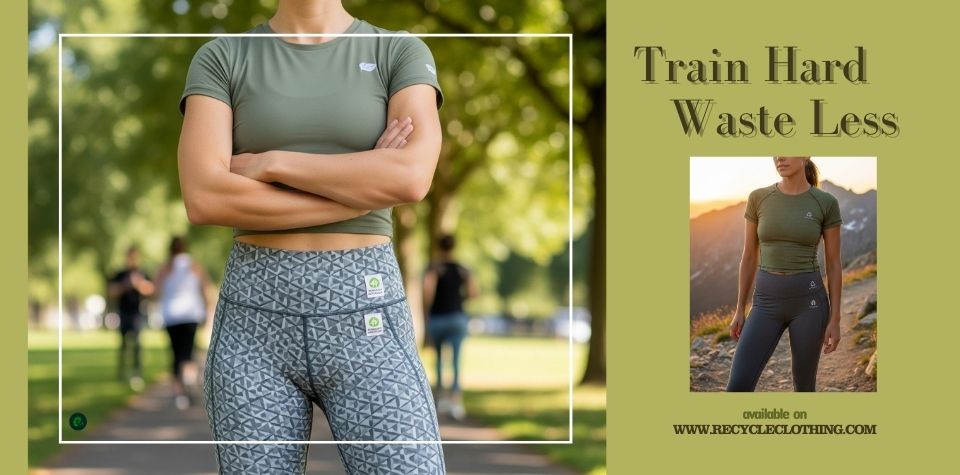
Partner with environmentally concerned fitness influencers who can honestly represent your goods and ideals.
Provide matching outfits or activewear starting kits. Bundles increase cart values while also providing clients with a comprehensive appearance.
Scarcity and sustainability are a potent combination. Announce limited recycled collections to create urgency and uniqueness.
Draw attention to actual customer reviews that emphasize fit, comfort, and environmentally friendly features. Visual testimonials are quite effective on social media sites such as Instagram and TikTok.
Contemporary buyers want to feel exemplary about their investments both in terms of morals and fashion. They choose labels that align with their values and flaunt accurate green endeavors. Social media has a significant impact on purchasing decisions; therefore, viral videos showing recycled sportswear can cause rapid demand surges.
Practicality remains important. Customers anticipate that recycled sportswear will be useful, comfortable, and long-lasting. Stretch materials, sweat-wicking capabilities, and adjustable straps are now required features.
Recycled sportswear is not only a fad; it is the trend of the future for exercise. As customers make sustainability a must, brands that can adjust will prosper. In order to stock smart, each product must combine eco-consciousness, style, and performance.
Retailers who accentuate their sustainable collections, familiarize customers with the flattering influence, and adopt trend-driven designs will rule the market. Therefore, now is the time to take action since eco-friendly isn’t only cool; it’s a promise.
Business owners and retailers can remain ahead by acquiring attractive, high-performance recycled activewear from reputable manufacturers and suppliers for an eco-friendly 2025 line.
Recycled activewear is rising in demand as Millennials and Gen Z embrace sustainable fashion. It combines style, performance, and eco-consciousness, offering ethically sourced, functional apparel that aligns with their values while reducing fashion environmental impact.
Modern recycled activewear, crafted from rPET or nylon, offers moisture-wicking, breathable, and durable performance proving sustainability no longer means sacrificing quality, comfort, or movement in fitness apparel.
The world seems to be growing weary of fast fashion. It is natural, co.
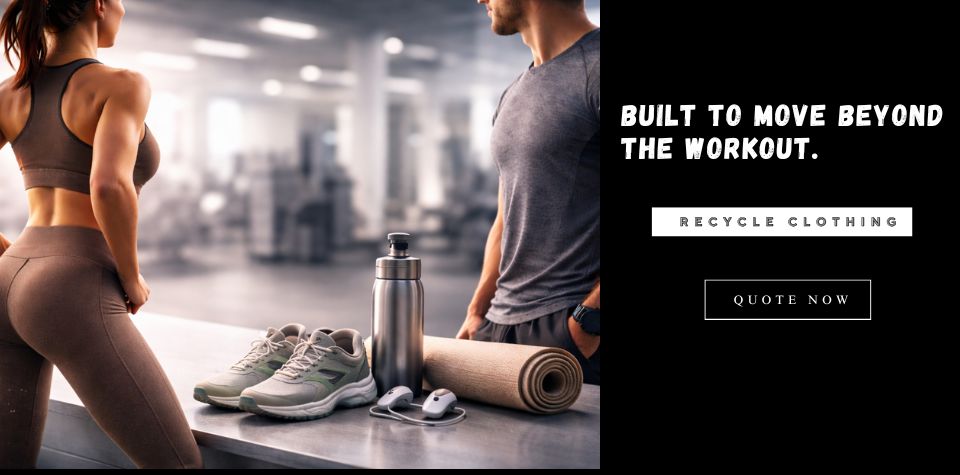
Look around and you can see casual gymwear now becoming a staple in ev.
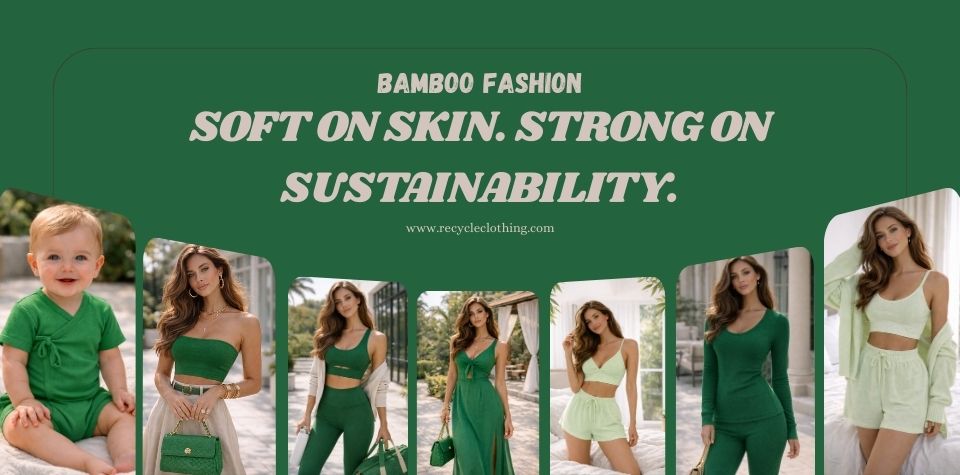
You might have observed a great demand for sustainable, eco-friendly m.
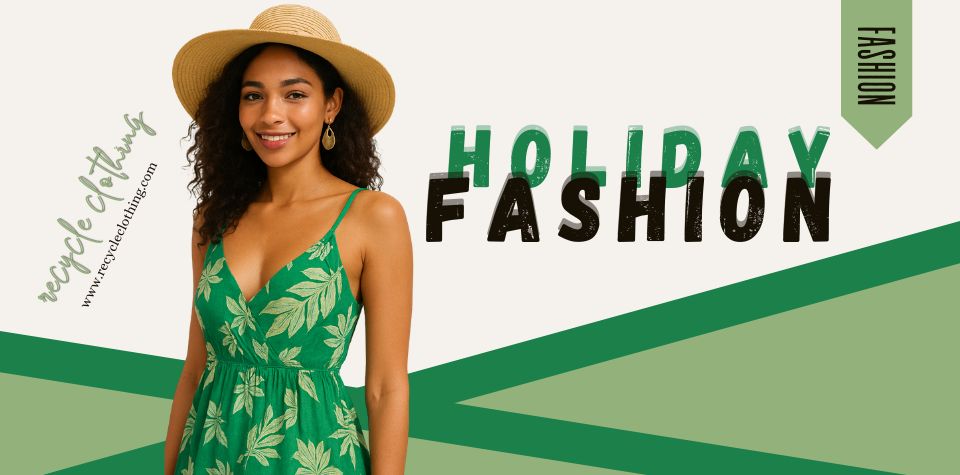
Sustainability is very big in the fashion industry. As you can see, re.
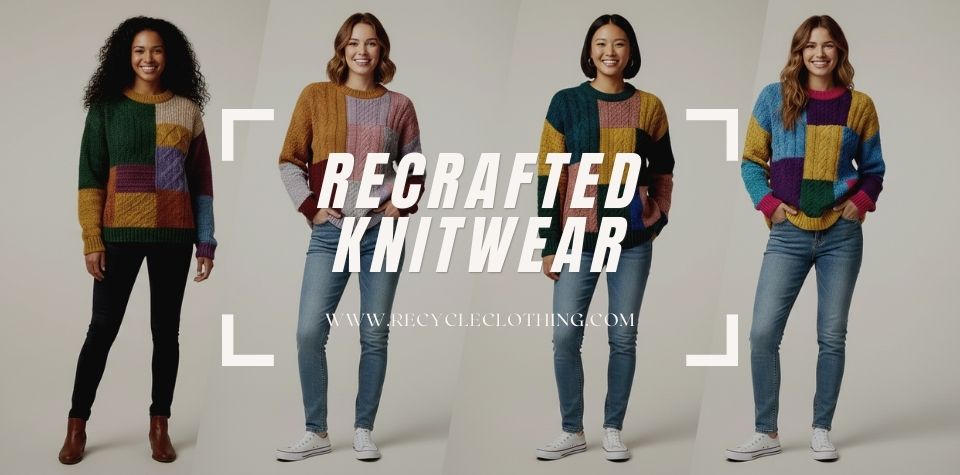
Cozy knitwear trends come up during every Fall. Whether it comes to ov.