
In 2026, the global fashion industry is going through a powerful transformation. Sustainability has become a core value now, not regarded as a niche trend anymore. Today, customers are looking more closely at what they wear and where it comes from. They are more informed, conscious and selective about their fashion choices. Recycled clothing, which is composed from post-consumer and post-industrial waste such as plastic bottles, discarded textiles and fishing nets, has become a top choice for creating eco-friendly apparels. Find out how such apparels are redefining customer preferences now.
With rising demand for sustainable fashion rises, brands and retailers are satisfying consumer expectations with eco-friendly wholesale clothing. Shoppers are choosing collections that have garments created with ethical sourcing and transparent production processes, reducing carbon footprints.
Recycled apparels are marked by environmental accountability and allow businesses to offer stylish, affordable options. There is a clear change in collective purchase behavior and brands are responding to this. Sustainability is no longer optional; it is influential in decision-making.
Today, customers like to express their eco-awareness and responsibility through recycled clothing items. Designers are using innovative techniques to provide consumers with eco-friendly fashion items that are stylish, sustainable and aspirational rather than compromising.
Many people thought that recycled clothing cannot last long. That is a common misconception. Today, that perception is being challenged by advanced recycling technologies. Now, recycled fibers are stronger, more breathable and comfortable than virgin materials.
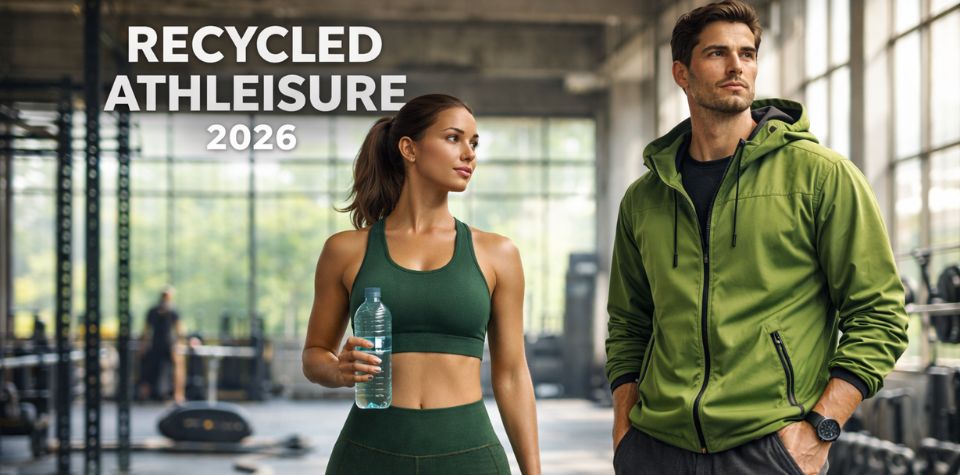
Activewear, outerwear and even everyday essentials composed of recycled fabrics are satisfying the performance expectations of customers. This shift is not only reducing waste but also reshaping the way shoppers across the globe are looking at their clothing choices.
Buyers are growing increasingly curious about the story behind their clothes. Brands that openly share information about recycled materials, sourcing, and manufacturing processes tend to earn greater loyalty.
With sustainability storytelling, certifications and clear labeling, brands can make customers feel more confident about their eco-conscious choices. It can make them connect more strongly with brands that prioritize the planet.
The production of recycled clothing supports reduced landfill waste, lower water usage and fewer carbon emissions. Eco-conscious buyers are actively looking for products that minimize environmental harm.
This ethical angle is especially appealing to millennials and Gen Z shoppers, who want to switch from traditional fast-fashion options, supporting brands that align with their social and environmental values.
Sustainable fashion is not expensive anymore. Recycled clothing is becoming more accessible and affordable. With production scaling up and supply chains optimizing, prices are stabilizing. Shoppers want to make responsible choices without exceeding their budgets. This makes eco-friendly apparel a practical everyday option rather than a luxury.
Sustainability has now become a global movement and recycled clothing manufacturers Europe are setting high standards in innovation, compliance and circular fashion practices. Order recycled clothing items for your retail or private label brand inventory, redefining modern customer preferences.
In 2026, the global fashion industry is going through a powerful trans.
The world seems to be growing weary of fast fashion. It is natural, co.

Look around and you can see casual gymwear now becoming a staple in ev.
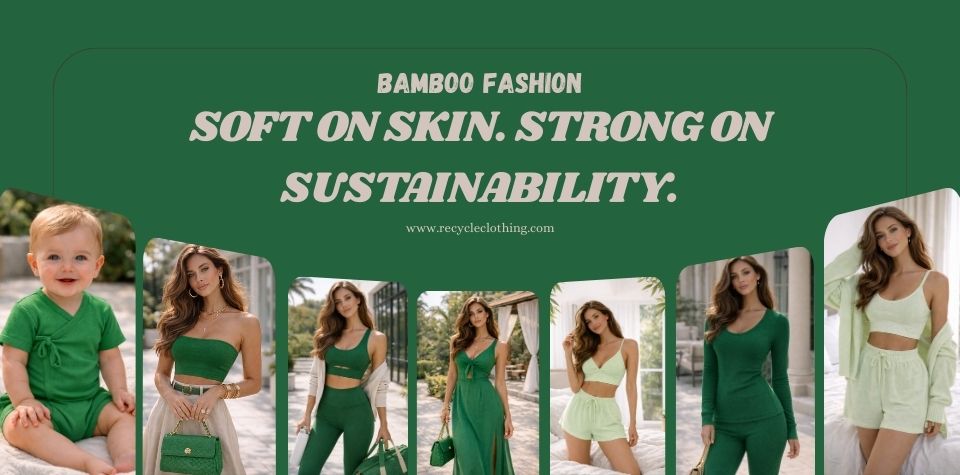
You might have observed a great demand for sustainable, eco-friendly m.

Sustainability is very big in the fashion industry. As you can see, re.