This is an era of change. You can find climate change, consumer consciousness and environmental degradation dominating global discourses. While many retailers and brands around the world are often in the news for their green initiatives and sustainable practices, business-to-business (B2B) manufacturers are usually ignored by the media for some unknown reason. Their role is generally underrated, when it comes to their contribution to such initiatives. Find out how they can take the lead in sustainable fashion manufacturing today.
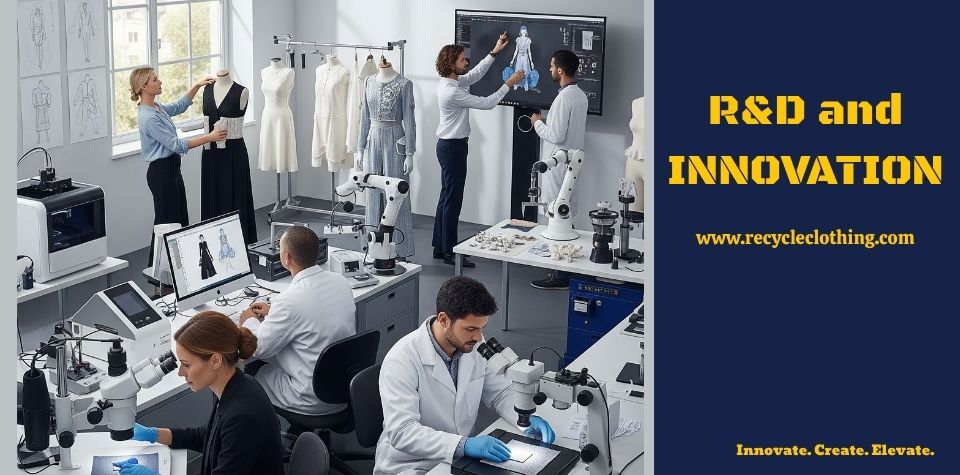
B2B manufacturers can emerge as pioneers of innovative manufacturing techniques by investing in research and development (R&D). They can lead R&D operations in developing biodegradable fibers, AI-driven fabric optimization, experimenting with 3D printing and more.
They can also speed up breakthroughs, reduce environmental burdens and redefine production standards by collaborating with material scientists, academic institutions and startups out there.
B2B manufacturers can switch to eco-friendly materials. They can source certified organic cotton, Tencel, hemp or recycled polyester – fibers that are known to have a lower environmental footprint. They can also make sure that such materials are sourced from responsible suppliers or farms, so that they can be traced for their transparency in ethical sourcing.
Other than ethical sourcing of raw materials, they can also reengineer the manufacturing process itself. They can reduce water usage and pollution significantly, by adopting closed-loop systems for dyeing and finishing, using waterless or enzymatic alternatives in place of chemical-intensive treatments or using low-impact dyes.
They can also curb emissions and help save both fuel and money over the long term, by integrating solar wind or other renewable energy sources into their manufacturing units.
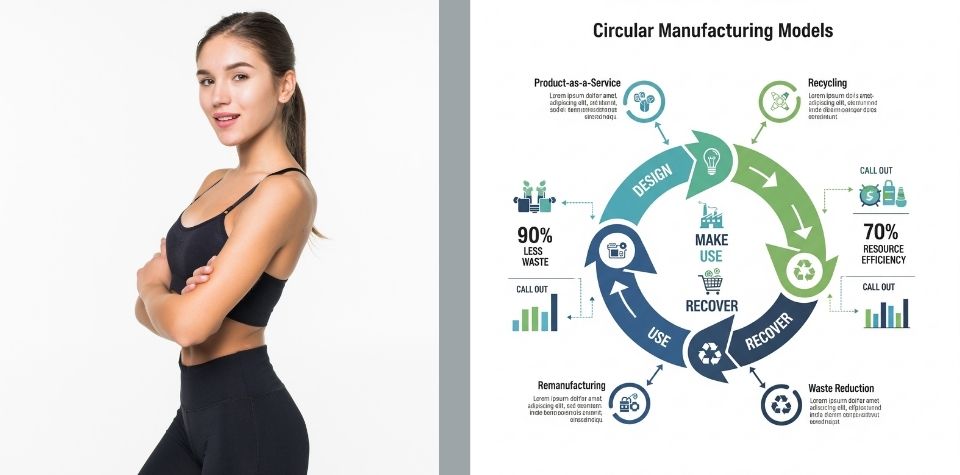
With the circular economy, manufacturers can get a blueprint for waste reduction and extending product lifespan for as long as possible. Circular systems focus on reuse, recycling and remanufacturing rather than the regular linear model of produce, use and dispose.
B2B manufacturers can offer take-back programs for post-consumer textiles or fabric scraps, invest in textile recycling equipment or design outfits for disassembly. They can also take the lead by partnering with brands to offer recycled textile inputs or create closed-loop lines that are in high demand today. These can add value to the offerings of the manufacturer. Manufacturers can become indispensable partners for sustainability focused brands by becoming innovation hubs for circular fashion.
When it comes to sustainability, accountability and trust are important. For B2B manufacturers, certifications like ISO 4001, GOTS (Global Organic Textile Standard), OEKO-TEX, Bluesign and Fair Trade can be important markers for credibility. These can help to satisfy client expectations as well as open up avenues to global markets and partnerships.
Manufacturers can bring in more transparency into manufacturing processes. They can make customers understand what they are wearing and whether their choices are truly eco-conscious. They can lead the industry towards practices and operations that will be safer for the environment.
Sustainability is also a social thing and not just environmental. Many B2B manufacturers operate in areas where there may be lack of enough regulations in labor rights. They can take a proactive stance in regular audits, safe working conditions, worker training programs and fair wages.
Factories that focus on workforce empowerment and human rights empowerment can become ethical production models and attract premium consumers, who value social governance (ESG) and environmental standards.
Manufacturers can also serve as advisors and educators to clients of their brand. They can offer technical documentation, workshops and co-development opportunities related to sustainable practices, so that there are more conversations and better decisions toward greener outcomes.
With a partnership-driven approach, they can make customers align better with their long-term objectives and be more loyal to their offerings It can help create shared value for both parties.
B2B manufacturers need to assess their sustainability performance of they have to lead effectively. In this regard, they can get help by setting Key Performance Indicators (KPIs) for employee retention rates, amount of waste diverted from landfills, volume of CO2 emissions per production cycle, and amount of water and energy usage per garment.
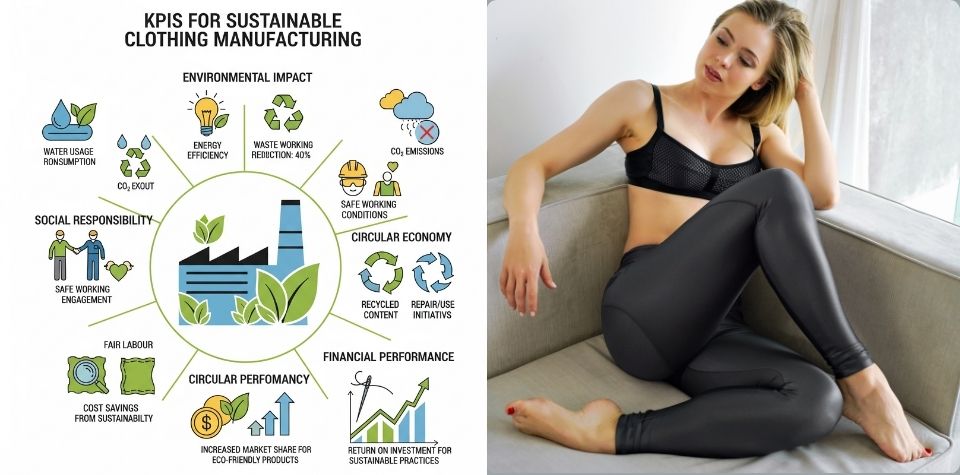
With regular monitoring, third-party verification and public sustainability reporting, they can ensure proper trust-building and push for constant improvement. When there are quantifiable outcomes, brands can also feel more confident in the ability and ethical alignment of B2B manufacturers.
Manufacturers can also overcome challenges like infrastructure limitations, lack of skilled labor and high costs of sustainable materials, by collaborating through government programs, sustainability consortiums and industry alliances.
It can be easy to see how B2B manufacturers can take the industry towards a better, greener future. They can lead the sustainable drive in manufacturing, and emerge as game-changers in the years to come.
Sustainability in fashion means creating clothing in ways that reduce environmental impact, promote ethical labor, and encourage long-lasting use.
Individuals can choose eco-friendly, durable clothing, while the industry can adopt sustainable materials, ethical production, and circular models.
Key models include slow fashion, circular fashion (reuse, recycle, upcycle), rental and resale platforms, and eco-conscious direct-to-consumer brands.
`

Sustainable fashion is a defining movement now, no longer a niche conc.

In 2026, the global fashion industry is going through a powerful trans.
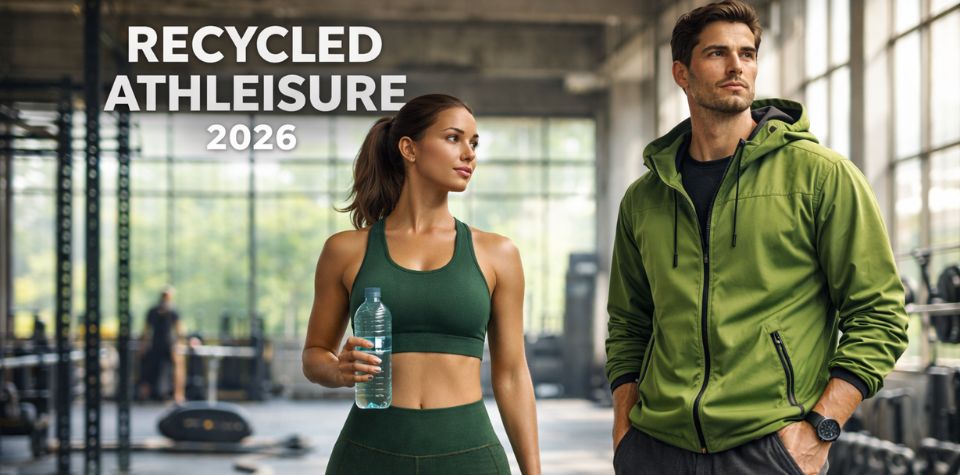
The world seems to be growing weary of fast fashion. It is natural, co.

Look around and you can see casual gymwear now becoming a staple in ev.
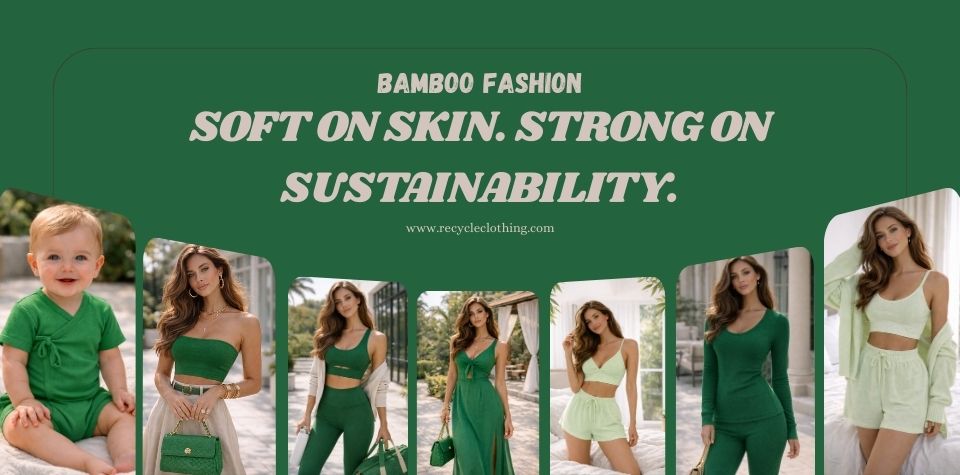
You might have observed a great demand for sustainable, eco-friendly m.