
Cozy knitwear trends come up during every Fall. Whether it comes to oversized cable sweaters or chic ribbed turtlenecks, you can find many such trends coming up. This season, however, you can find something different occurring. Buyers are not looking just for brand-new pieces; they are in search of sweaters with a story. Out of this craze, the demand for recrafted knitwear has been born.
It is often constructed out of upcycled or reworked materials. The appeal is so much, that it has become even more desirable than brand-new garments in 2025. Find out the exact reasons why recrafted knitwear has become the hottest trend of the season.
It is all about touchable texture this year. Rather than sleek, uniform knits, you can find buyers looking for sweaters that look handmade, even if that is not actually the case. However, the charm of artisanal craftsmanship is simulated through:
You can now find many designers deliberately including such human imperfections into production. It is a throwback to those times of authenticity.
A number of brands, whether boutique labels, department stores or private lines, have noticed the pull of “crafted by hand” aesthetics. Thus, they are offering machine-made sweaters that are intentionally styled to give a hand-knit feel. You can stock such pieces too, and expect decent sales this season.
Crochet lived in ignominy for a long time. Now, it is having its sweet revenge. You can find it everywhere, from major fashion shows to influencer wardrobes. For textural contrast, recrafted knitwear collections increasingly incorporate:
Crochet is loved by both Gen Z and millennial shoppers who relate slow craft with self-expression and community. This open-stitch technique beautifully pairs with repurposed yarns or leftover threads.
You can find something deeper about today’s consumer mindset when you look closely at the rise of patchwork sweaters. Shoppers want their clothes to tell stories. Each seam or panel of patchwork reflects resourcefulness and reinvention. Scraps are now being transformed into style.
Retailers are using leftover stock materials and reclaimed yarns from unsold inventory. They are coming up with one-of-a-kind designs. Using this method, they are reducing wastage as well as improving the perceived value of these materials. Rather than viewing them as assembly-line fashion, shoppers look at patchwork as wearable art.
Visual merchandising also gets a boost with textural variety. For social-media-savvy shoppers, these sweaters photograph beautifully. These are worthy of sharing and the appeal helps to drive online buzz.
Not so long back, sustainability was just something nice to speak about. Not anymore, as it is now a necessity these days. It is a purchase driver today. You can find recrafted knitwear balancing planet-friendly design and fashion innovation in such a nice way.
In 2025, brand owners are trying to avoid the use of new resources. They are rethinking what already exists. Thus, they are rediscovering the value in:
It is tough for you to ignore the environmental benefits. Knitwear production is resource-heavy. This is especially true when it comes to dyeing and processing natural fibers. Brans are repurposing materials to cut down on the use of water, reduce chemical waste, and eliminate shipping emissions.
However, the real power of sustainability now lies in transparency. Brands can manage to build trust and differentiation when they communicate the journey behind each recrafted sweater. When customers are able to know where the yarn came from, they view recycled items as a smarter, more conscious choice, not something second-rate.
This shift also invites collaboration between artisans, small-scale producers, and larger retailers. It promotes circularity in a big way, making it feel fresh, local, and emotionally rewarding.
Recrafted knitwear makes solid business sense, going beyond environmental and aesthetic appeal. Brands are making strategic use of:
In these ways, they are creating new revenue streams without significant material costs.
The economics are compelling. When a sweater is reworked from older inventory, it often needs minimal new inputs. However, it can still be positioned as a premium, limited-edition item. In this way, the perceived value and margins are driven up. The amount of labor that is needed to restitch, overdye, or embellish is far cheaper than manufacturing from scratch, particularly in small-batch collections.
You can also find many retailers experimenting with modular designs, allowing pieces to be updated in-store season after season. This “ever-evolving” approach is loved by modern shoppers. You can follow the same strategy, to benefit from lower markdowns and reduced waste.
Knitwear has always been tied to memory, such as the cardigan your mother wore on cool mornings or the scarf that a friend made by hand, a feeling also reflected in sustainable wholesale clothing europe. Recrafted sweaters tap into that emotion at scale. These items carry visible traces of care, age, and individuality. And these are the qualities that modern consumers find comforting, in an uncertain world.
This emotional authenticity also supports the wellness-driven mindset that is shaping lifestyle products today. Recrafted knits feel human, imperfect, and warm. Wearing one sends a subtle message of mindfulness. It is all about cherishing what is already here rather than constantly seeking newness.
The psychology behind this trend runs deep. Brands that celebrate imperfection position themselves as relatable and grounded. They can encourage loyalty through shared values rather than seasonal trend-chasing. In an age of digital filters and fast consumption, the tactile truth of recrafted knitwear feels refreshingly real.
It is interesting to find the recrafted knitwear movement capturing the demand for authenticity and renewal in such a major way. The imperfect stitches tell a story of reinvention. What was once regarded as waste is now being regarded as deeply human, worthy and wearable. This Fall, you can see a reimagining of the things that are already there. It shows that as a retailer or private label seller, you should follow the trends to be on-point in understanding your shoppers.

Sustainable fashion is a defining movement now, no longer a niche conc.

In 2026, the global fashion industry is going through a powerful trans.
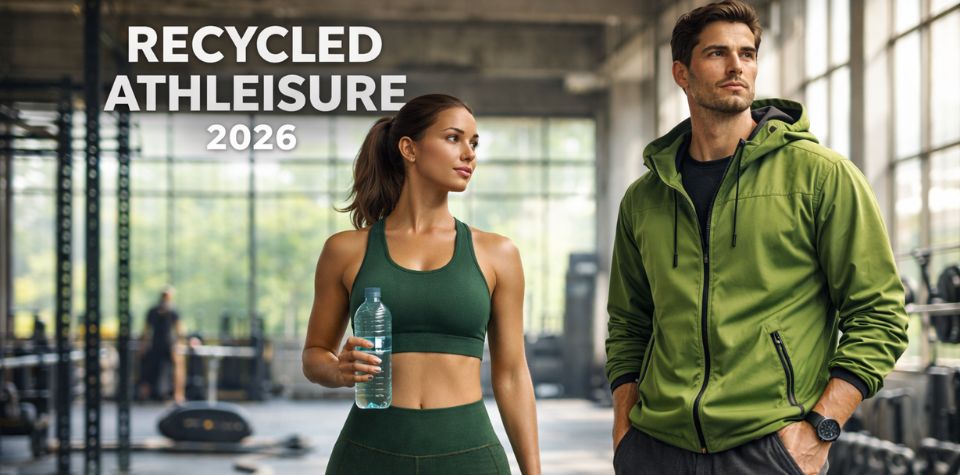
The world seems to be growing weary of fast fashion. It is natural, co.

Look around and you can see casual gymwear now becoming a staple in ev.
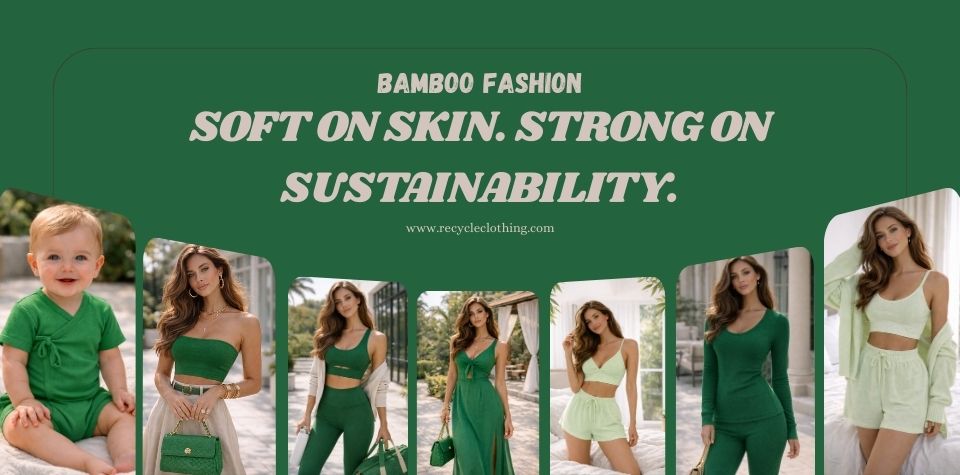
You might have observed a great demand for sustainable, eco-friendly m.