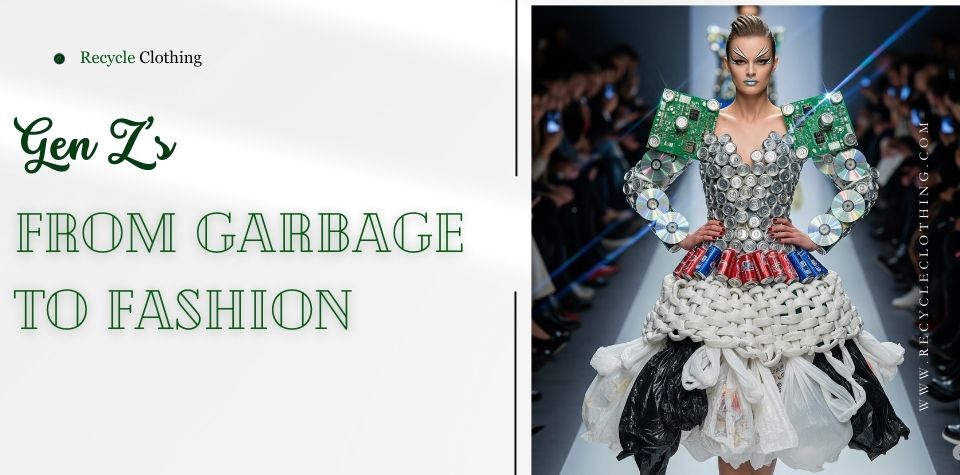
Style has never been only about textiles and stitches—it’s a cultural mirror. For Gen Z, these ideals are inextricably linked to sustainability. They grew up listening to endless debates about the wreckage produced by fast fashion, scrolling past posts concerning ocean pollution, and attending climate protests.
It should come as no surprise that they have embraced recycled apparel so enthusiastically. They consider these pieces as more than just clothes; from recycled denim made into streetwear to plastic bottles spun into cozy sweatshirts, they are evidence that sustainability and style can coexist. They’re completely changing the industry in the process.
For Gen Z, sustainability is not a “bonus feature”; it is the basic minimum. Clothing must do more than just flatter; it must also reduce environmental impact. They hope their clothes not only look right but also do good.
Recycled clothes meet those criteria. By breathing renewed life into post-consumer plastics, spare textile chunks, and scrapped attire, it cuts the need for pure fabrics and keeps debris out of landfills. Wearing recycled textiles is seen by Gen Z as a direct, everyday action that reflects their ideals.
The development of thrift stores and resale apps demonstrates that Gen Z likes giving clothing a second life. Whether it’s a handpicked vintage find or a thrift flip DIY effort, there’s pleasure in wearing something one-of-a-kind that didn’t come off a manufacturing line.
This approach fits naturally with recycled clothes, which is effectively “thrifting” on an industrial scale. Instead of sending garbage to landfills, manufacturers repurpose it into new fibers for new designs. What about the appeal? Every piece has a narrative, and Gen Z values that as much as the fit.
Gen Z does more than simply buy clothes; they want to know about the road that led to them. Labels that indicate where their recycled materials come from, how much waste has been diverted, and the techniques utilized to manufacture the clothing are considerably more likely to gain confidence.
In recycled fashion, this may mean indicating how many plastic bottles were used to make that hoodie or how much water was conserved while making those jeans. These statistics are important to Gen Z. Transparency is not a marketing strategy; it is proof.
Instagram, TikTok, and other outlets have turned recycled fashion into an international showcase. Hashtags like #RecycledFashion and #ThriftFlip group with visionary upcycling challenges, fashion tips, and transformations.
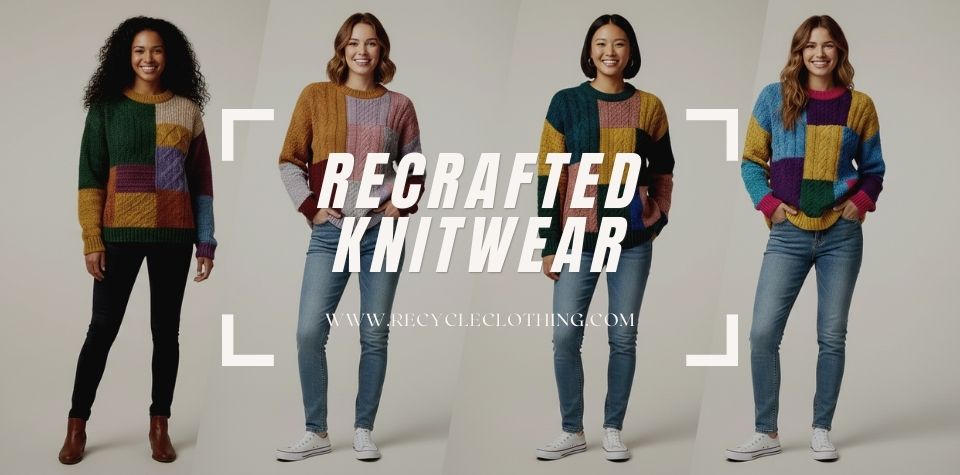
Patchwork jeans, color-blocked jackets, and upcycled streetwear produced from recycled textiles are popular among Gen Z influencers and daily users. These are public assertions of ideals rather than merely fashion statements. The trend is strengthened by the likes, shares, and comments, which further integrate recycled apparel into popular culture.
Gen Z’s demands have put significant pressure on major fashion brands. It’s no longer enough to offer just one “eco-friendly” collection each year. This audience expects a continuous, long-term commitment to sustainable materials such as recycled polyester, cotton, and nylon – and they are ready to call out firms that greenwash.
The demand is altering the supply chain. More manufacturers are investing in advanced recycling technologies, acquiring post-consumer fabrics, and developing mixes that are softer, more durable, and more multifunctional. To put it briefly, recycled textiles are becoming the standard in the business rather than a specialty product.
Beyond the environmental benefits, recycled fashion has evolved into its own distinct style. Think:
For Gen Z, the “recycled aesthetic” is more than simply trendy; it demonstrates that sustainability can be innovative, contemporary, and fashion-forward.
Recycled clothes still encounter encumbrances, including the risk of fraudulent sustainability claims, restricted availability in some areas, and loftier production expenses. However, industrial innovations are gradually tackling these:
The outcome? With these advancements, recycled clothes are increasing in popularity without losing their environmental appeal.
By purchasing recycled apparel from reliable suppliers and manufacturers that are dedicated to sustainable production, business owners and retailers can satisfy the aspirations of Gen Z.
The world seems to be growing weary of fast fashion. It is natural, co.

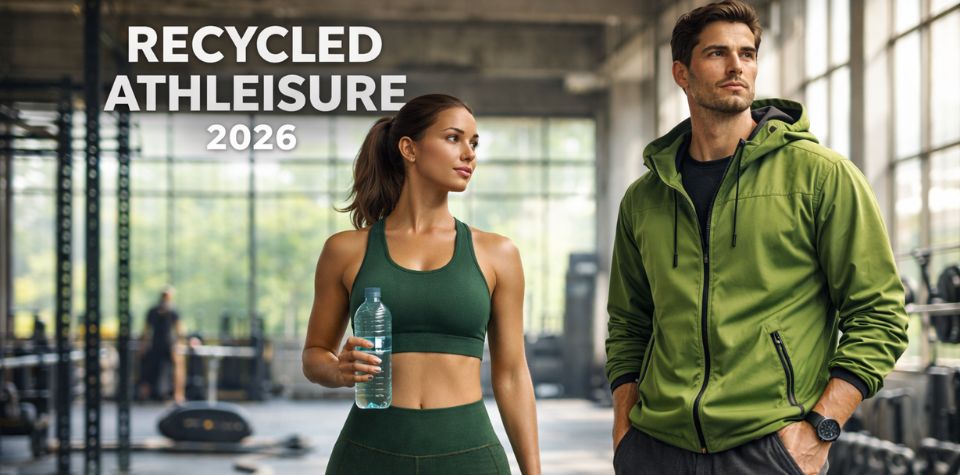
Look around and you can see casual gymwear now becoming a staple in ev.
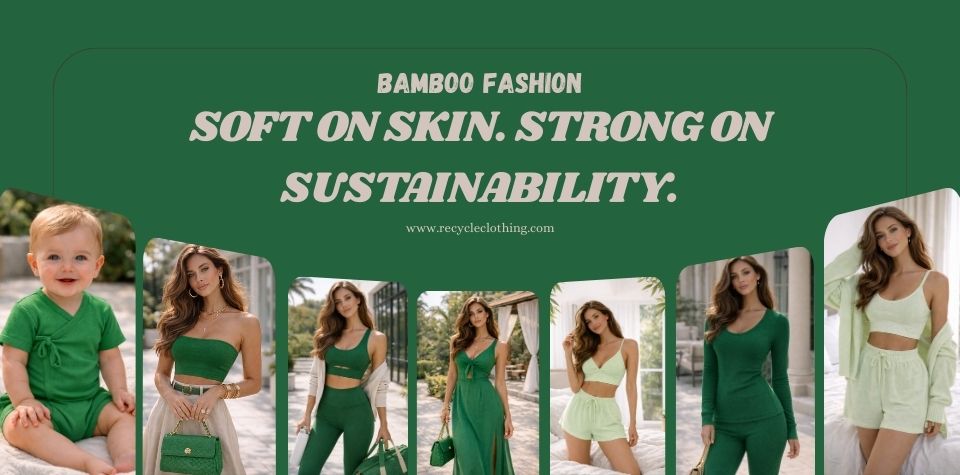
You might have observed a great demand for sustainable, eco-friendly m.

Sustainability is very big in the fashion industry. As you can see, re.
Cozy knitwear trends come up during every Fall. Whether it comes to ov.