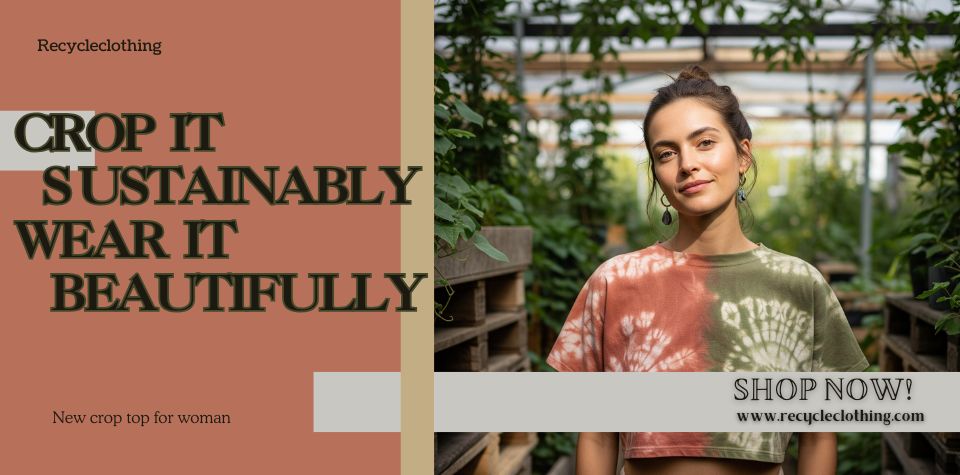
The fashion industry has often been criticized for its heavy environmental footprint. However, this industry has also reinvented itself constantly. Over the last decade, there has been a growingly loud call for sustainability. In 2025, customers are stressing on eco-conscious practices and clothing items as a mainstream necessity. Women’s crop tops are among the garments that are experiencing a major transformation today.
Once associated with fleeting trends and fast fashion, crop tops are now being designed with sustainable practices in mind. The shift is much more than only about fabrics; it is also about the way these apparels are produced, used and circulated. If you are a retail clothing store owner, you must find out about how women’s crop tops are becoming more sustainable today.
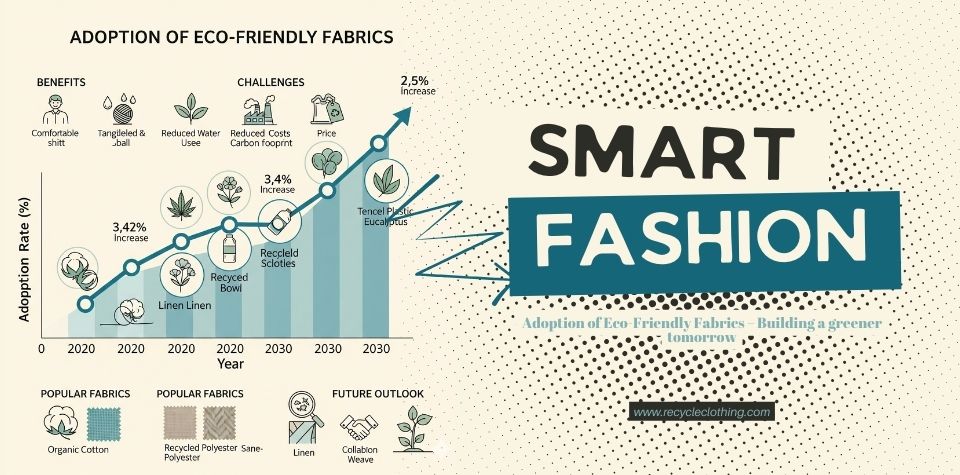
The transition to sustainable fashion begins with the kind of fabrics that are used. Regular cotton and polyester have long been favorites for the production of crop tops. However, these have now been exposed as damaging to the environment and resource-intensive. The growth of cotton often relies on the use of harmful pesticides and a lot of water. Polyester comes from petroleum and contributes to microplastic pollution. In 2025, you can find crop tops for women being reimagined with greener fabrics.
For instance, organic cotton is cultivated with much less water and minus any synthetic fertilizer. It ensures comfort while protecting ecosystems. Hemp has also become prominent and is valued for its durability. It can grow with minimal resources.
Bamboo fabric is known to be breathable and soft. It has become another favorite option for the production of eco-conscious crop tops. It thrives as a renewable material that quickly regenerates itself. Recycled polyester comes from discarded textiles and plastic bottles. The use of this fabric diverts waste from landfills and relies on virgin petroleum-based fibers. Through these fabric choices, crop tops for women are being made stylish as well as sustainable.
It is not only about materials. The production practices involved with making crop tops are also undergoing a major shift. In the past, the fashion industry came under criticism for its exploitative labor practices and opaque supply chains. These days, brands designing crop tops are increasingly adopting transparency as a core principle. Many eco-conscious brands now highlight their ethical manufacturing standards. They highlight their factories, where workers operate under safe conditions and are paid fair wages.
Many brands are often displaying certifications such as Fair Trade, GOTS, and OEKO-TEX on the labels of their garments. They are also using blockchain technology and allowing buyers to scan QR codes on clothing items, to trace the entire production and packaging journey of their apparels.
With crop tops, one of the biggest concerns is the fact that these are short-lived fashion items and often get discarded after being worn for a few times. Brands are trying to challenge this wasteful cycle by adopting circular fashion principles. Rather than producing apparels of a disposable type, they are creating crop tops with reuse, recycling and resale in consideration.
Numerous retailers have also launched take-back programs that encourage shoppers to return worn clothing items for store credit or for recycling purposes. Upcycling initiatives have also come up, where old crop tops are being reimagined into accessories or new designs.
Resale platforms and second-hand marketplaces are also enjoying decent business, providing customers with access to used crop tops, thus extending the lifespan of each apparel. This circular approach is reducing the wastage of textiles, making crop tops a long-term wardrobe staple instead of being a disposable clothing item.
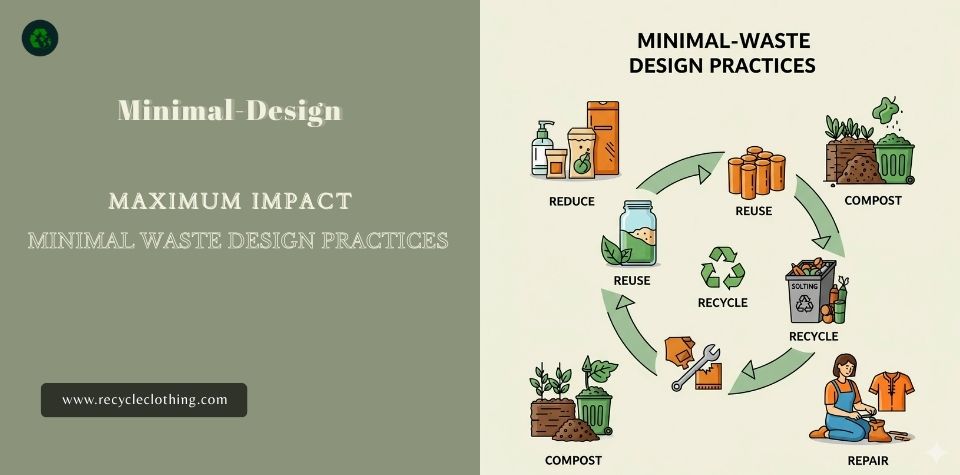
The way crop tops are designed also have an impact on their sustainability. Traditional production methods used for creating clothing items often results in significant wastage of fabrics during the cutting and stitching processes. In 2025, designers are increasingly adopting zero-waste or minimal waste methods.
Manufacturers are using innovative pattern-making methods to ensure that every inch of fabric is used in a proper way. With the help of digital prototyping, designers can test patterns virtually before production. It helps to minimize loss of materials. In a few cases, leftover scraps from bigger pieces of clothing are repurposed into crop tops. It transforms potential waste matter into limited-edition, fashionable pieces.
Consumer behavior is possibly the most important change in the women’s crop tops segment. The slow fashion movement has gained a lot of movement today. It is encouraging women to purchase fewer number of garments of better quality that can last for more time.
Instead of buying multiple cheap crop tops that can fade fast or lose shape quickly, they are being encouraged to go for tops with versatile, timeless designs that can be styled across seasons.
Many women are also being urged to learn to restyle their tops or repair minor damages, to extend their lifespan. Rather than looking at old crop tops as disposable items, many are now considering investing in pieces that are worth maintaining. They are shifting toward thoughtful consumption in this way.
Dyeing and finishing processes for garments are notorious for their negative impact on the environment. It often requires chemical treatments and a lot of water. In order to counter this, many brands are increasingly replacing synthetic chemicals with plant-based dyes extracted from beetroot, turmeric, indigo and other natural sources.
Digital printing has also come up as a popular technique of production. This method uses minimal amount of water while ensuring intricate designs. Waterless dyeing technology is even more revolutionary, using carbon dioxide instead of water. These methods help crop tops to maintain vibrant colors as well as reduce their ecological footprint drastically.
Small scale and localized manufacturing are other significant trends. Small batch production reduces wastage by manufacturing only what is required. It reduces the excess stock that often goes to landfills or ends up in clearance sales. Locally based operations also reduce transportation emissions and ensure greater ethical practice oversight.
It is easy to see how women’s crop tops are not only just trendy garments but also more sustainable these days. As a retailer, keep ethically manufacturing crop tops in your store, to appeal to a new generation of eco-conscious consumers.
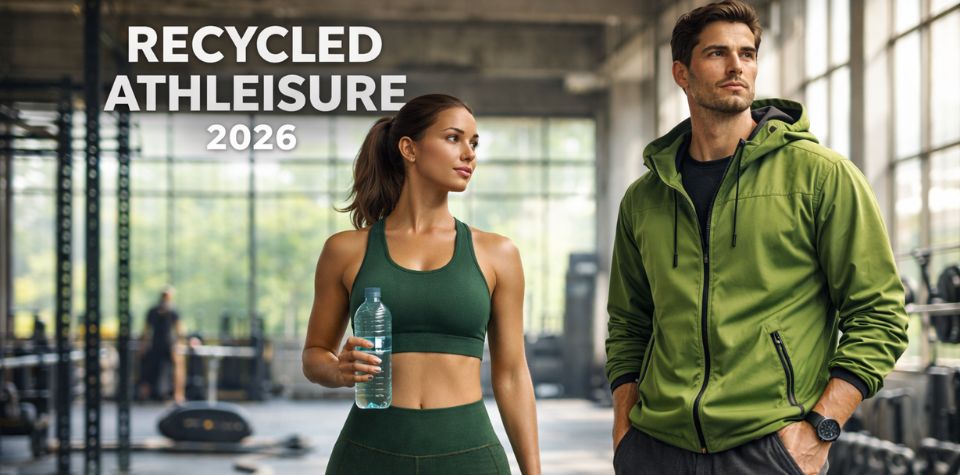
The world seems to be growing weary of fast fashion. It is natural, co.

Look around and you can see casual gymwear now becoming a staple in ev.
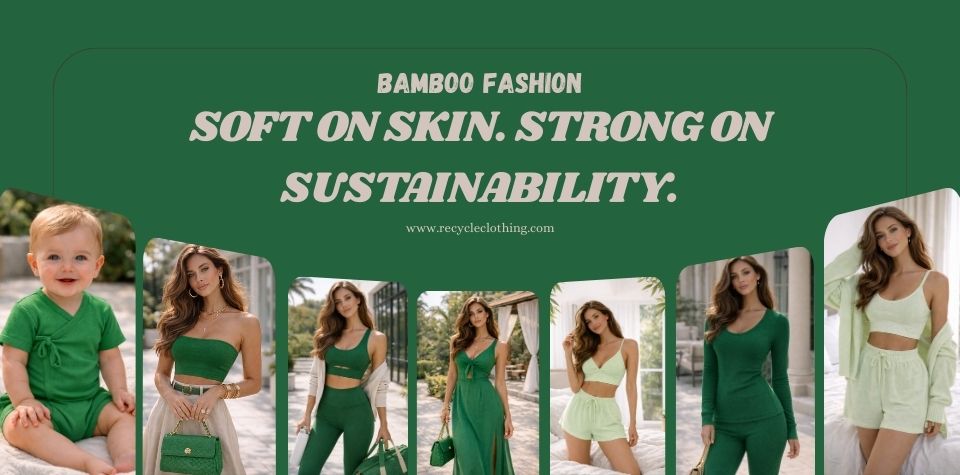
You might have observed a great demand for sustainable, eco-friendly m.

Sustainability is very big in the fashion industry. As you can see, re.
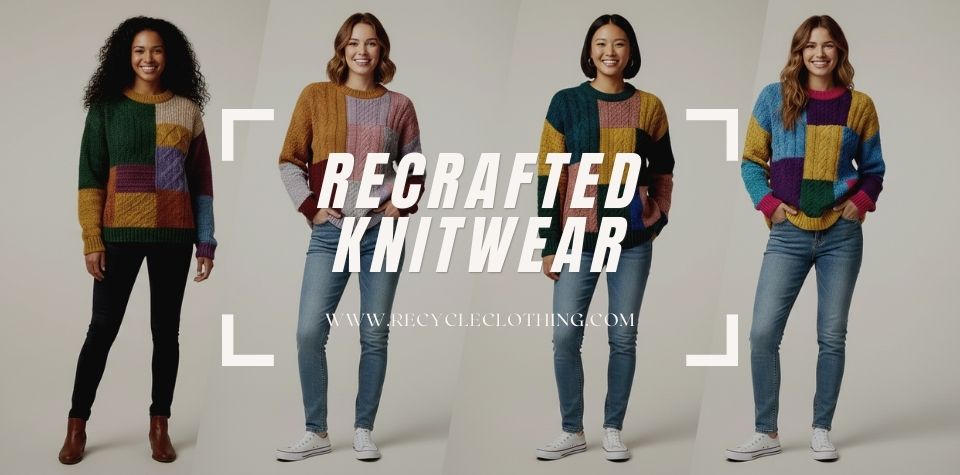
Cozy knitwear trends come up during every Fall. Whether it comes to ov.