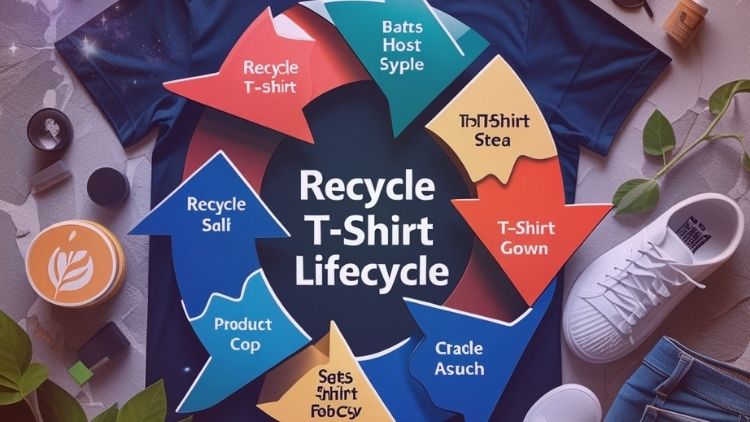
Fast fashion has been steering the wheel of textile waste for quite a while now, with millions of tons of materials being discarded yearly. Nevertheless, the fashion industry is changing, with recycled t-shirt materializing as a sustainable solution. These eco-conscious clothes display the prospect of turning waste fabrics into stylish, functional, and trendy fashion pieces.
In this blog, we will go through the intriguing lifecycle of recycled tees and their substantial impact in resisting global textile waste.
The Problem of Textile Waste
Environmental Impact: Textiles can take decades to break down in landfills, and textile waste adds to pollution.
Depletion of Resources: Conventional T-shirt production uses ample energy, water, and raw materials.
Global Scale: According to estimates, more than 92 million tons of textile waste are created yearly worldwide.
The Recycled T-Shirt Lifecycle: A Comprehensive Guide
Collection of Raw Materials
Gathering textile waste, including abandoned apparel, industry leftovers, and even post-consumer trash like plastic bottles, is the first step in the journey. Recycled T-shirts are made from these materials as their base.
Sorting: Items are sorted by quality and fabric type to guarantee solely reusable textiles are processed.
Preliminary Cleaning: Fabrics undergo cleaning to eliminate impurities and equip them for recycling.
Fiber Recovery and Processing
Once the raw fabrics are sorted and rinsed, they are processed to yank usable fibers out of them.
Labor Saving Recycling: To further spin the fabric into new threads, they are shredded into fibers.
Chemical Recycling: Polyester, at times, undergoes chemical treatments for processing, where they are broken down into its base components.
Yarn Production
Typically mixed with virgin or organic fibers to improve structure and resilience, salvaged fibers are then processed into yarn.
Sustainable Dyeing: Waterless or plant-based dyeing treatments are instances of green dyeing methods used in yarn manufacturing to mitigate their adverse impacts on the environment.
T-shirt Production
Design Modification: Recycled t-shirts can feature chic prints, colors, and cuts catering to a diverse market.
Energy Conservation: Recycled clothing production results in less use of renewable energy sources, which further results in a smaller carbon footprint.
Packaging & Distribution
Recycled T-shirts are packed using biodegradable or recycled materials to show their environmentally conscious approach. They are subsequently delivered to stores or directly to customers.
Recycled T-shirts and Their Perks
Trash Reduction: Landfills are not getting dumped by more textile waste as obsolete materials are getting new lease on life.
Preservation of Resources: Made from reused supplies, recycled T-shirts use a lot less raw materials, water, and energy than standard T-shirts.
Carbon Footprint Minimization: Recycling approaches generate fewer greenhouse gas emissions, helping mitigate global warming.
Circular Fashion Economy: The regulations of circular fashion are embodied by recycled t-shirts. A closed-loop system is set up where materials are repeatedly reused.
Reducing Textile Waste Worldwide with Recycled T-shirts
Scaling Sustainability: Recycled T-shirts are a scalable approach to the global textile waste dilemma that appeals to environmentally aware shoppers.
Raising Awareness: Customers can enjoy the sense of their promotion of sustainable practices and waste reduction by spending money on recycled t-shirts.
Industry-Wide Impact: Recycled t-shirts’ growing demand has encouraged fashion brands to take up sustainable production methods.
Recycled T-shirts and Current Trends
Simplistic Fashion: Echoing the minimalist fashion craze, recycled t-shirts often feature pristine, understated patterns.
Influence of Celebrities:With a vote of approval from prominent celebrities, sustainable clothing like recycled t-shirts is gaining more rage among common buyers or fans.
Seasonal Flexibility: Recycled t-shirts are exemplary for every climate, thanks to their varied fabric and weight composition.
Customizable Appeal: Frequently customizable, these t-shirts facilitate outstanding branding opportunities and imprints for varied customers.
Resolving Issues in the Fabrication of Recycled T-Shirts
Problems with Perception:The most effective method to boost the acceptance of recycled T-shirts is to educate buyers about their advantages and reliability.
Production Scaling: While the approach is more environmentally friendly, boosting production while retaining costs might be tricky.
Advances in Technology: To increase productivity and broaden the selection of materials that can be recycled, recycling methods must continue to be progressive.
Business owners and retailers wishing to impress the eco-conscious customers should reach out to the most trusted recycle clothing manufacturers and suppliers and place bulk orders for recycled t-shirts at affordable rates.