Organic clothing refers to apparels made of materials that are grown with no use of pesticides, harmful chemicals or genetically modified seeds. This type of clothing can be constructed from different types of natural fibers, including hemp, jute, wool, silk, linen and cotton. These apparels are sold with official certification from relevant bodies to show that the clothing is constructed out of organic textiles. People often wonder why organic clothing matters so much today. Take a look at the top reasons for this, with this guide to sustainable fashion.
Recycled or natural fabrics reduce the need for energy, water, chemicals etc. No pesticide or fertilizer is needed for the production of organic clothing items. Most of the organic fabrics, such as organic cotton, are eco-friendly and biodegradable. These help to reduce carbon footprint and greenhouse gas emissions that are responsible for global warming.
Few people know that the fashion industry consumes plenty of water, especially for finishing and dyeing clothing items. About 2,700 liters of water are needed for the production of just one t-shirt. Organic cotton reduces consumption of water by 91% as compared to regular cotton. Even other sustainable fabrics, such as recycled fiber, hemp or linen need no water during the manufacturing stages.
Non-organic clothing items are produced with a long-drawn chemical process that makes use of about 8000 different types of synthetic chemicals for bleaching, dyeing and processing apparels. These types of chemicals can lead to birth defects or diseases in human beings and animals.
Organic clothing is safer and healthier for the planet and people in general. Those that come with certification level such as BLUESIGN, GOTS, or OEKO-TEX; are healthier to use.
Every year, many animals are killed for the sake of fashion, to obtain materials such as leather. According to an estimate, due to the leather industry alone, more than 430 million animals are killed annually. Cruelty-free alternatives such as recycled polyester, plant-based compostable fibers etc are used by organic clothing manufacturers. Pineapple leaves are used as a popular leather alternative.
With these types of materials, organic clothing manufacturers are revolutionizing the fashion industry and making it eco-friendlier with each passing day.
By the year 2050, the global production of municipal solid wastes is expected to grow to as much as 3.4 million metric tons. A wide range of factors, such as population growth, urbanization and consumer shopping patterns, are anticipated to be responsible for this.
Sustainable distributors are striving to reduce the generation of waste matter through the production of organic clothing items made with durable materials. Bamboo clothing suppliers are imitating seasonal fashion trends to reduce waste generation over the long term.
Whenever there is wastage there is also the need to dispose it of properly, for the sake of the environment. There is huge responsibility involved. Unfortunately, there is a lack of awareness and resources in place for proper waste disposal. Organic clothing producers make the best attempts to reduce waste generation in the first place, so that the small amount of unavoidable waste obtained during production can be handled easily.
Organic clothing involves vegan and cruelty-free fashion. Such types of clothing items are made with no use of animal products. These are not composed of any material that is obtained in a cruel way. Apart from this, manufacturers also make their best attempts to educate customers about animal exploitation in fashion and commercial animal farming.
Such efforts help to prevent the use of cruel animal exploitation practices and killing, ensuring social justice for all – including animals that form an important part of the overall ecosystem.
Traditional garment manufacturing processes cause harm to people and the environment. With organic clothing, such problems are addressed properly through responsible resource management, eco-friendly practices and reasonable labor conditions.
Undoubtedly, the fashion industry has a significant impact on the environment. Organic clothing, made of sustainable fabrics, such as bamboo fabrics is the result of ethical, planet-friendly practices that uphold the highest standards of fairness and safety. This type of clothing goes hand-in-hand with fashion today and makes a positive impact on the world. There are plenty of benefits involved and so, it matters a lot.

Sustainable fashion is a defining movement now, no longer a niche conc.

In 2026, the global fashion industry is going through a powerful trans.
The world seems to be growing weary of fast fashion. It is natural, co.

Look around and you can see casual gymwear now becoming a staple in ev.
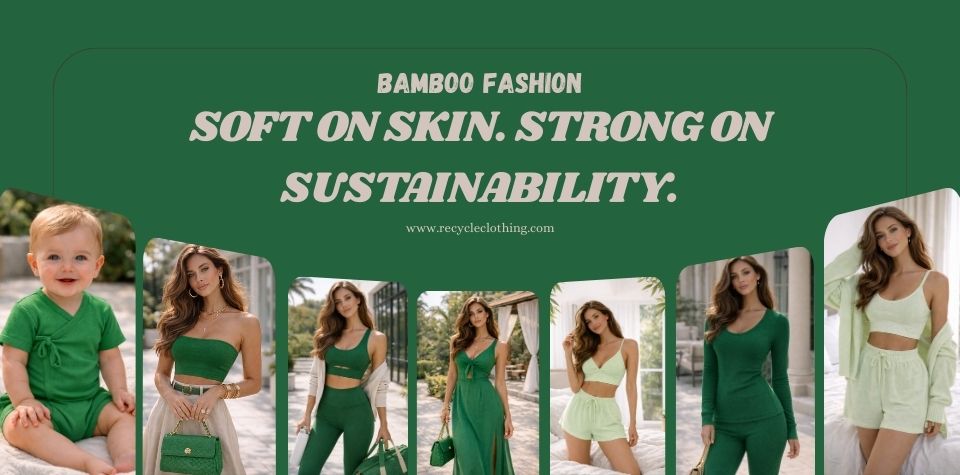
You might have observed a great demand for sustainable, eco-friendly m.